What Sells
Watch Flipping Basics: Spotting Value in Pre-Owned Watches
Share to
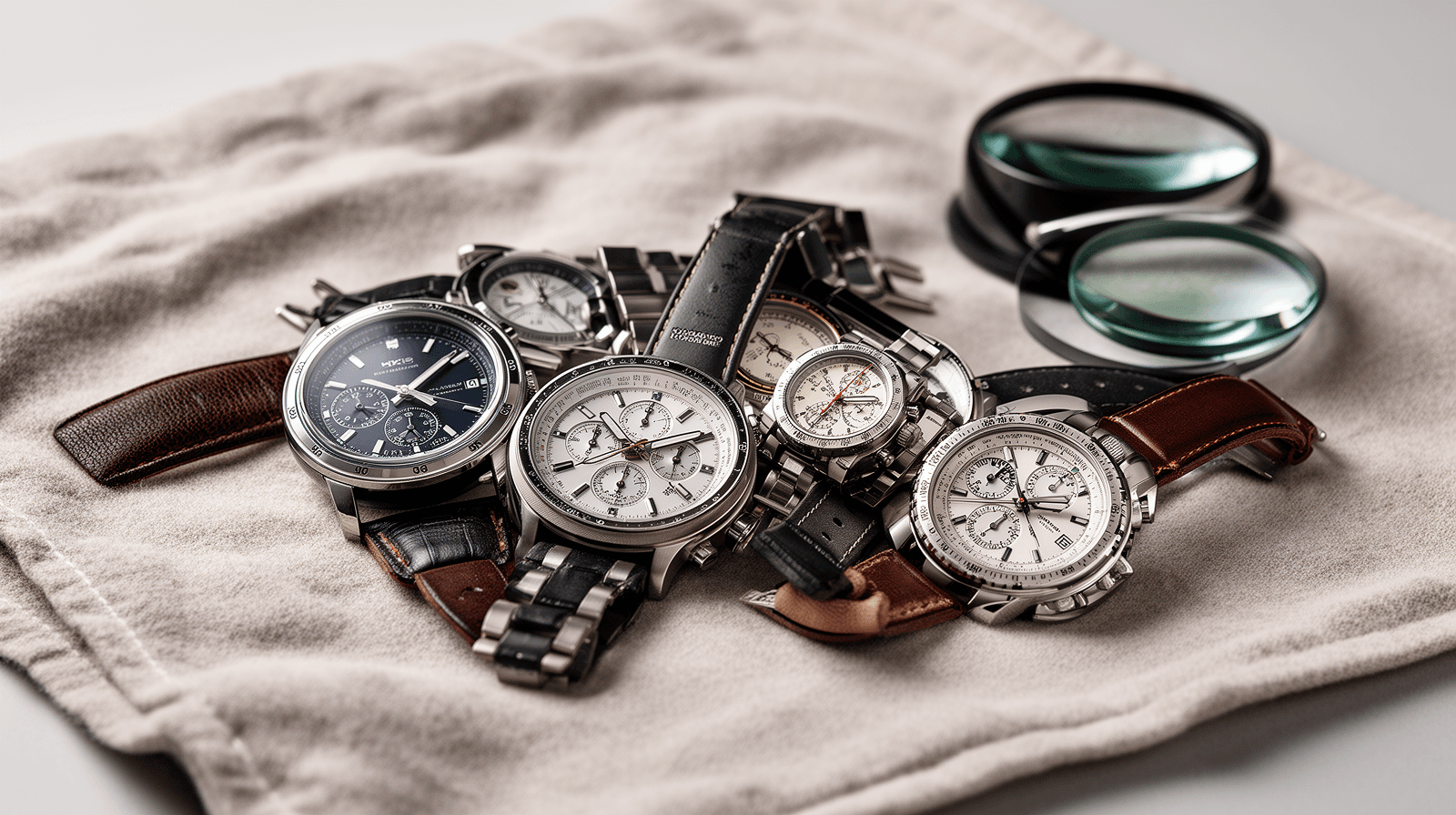
Watches are one of the few thrift and estate sale categories where a genuinely tiny, easy-to-overlook item can be worth hundreds of dollars. They are also one of the easiest categories to get burned in, between fakes, non-running movements, and missing parts. A little discipline up front saves a lot of regret later.
Why Pre-Owned Watches Are a Solid Flip
Mechanical and quality quartz watches hold value far better than most consumer electronics, a well-known model can be worth $150-$800 depending on brand, material, and condition even decades after manufacture. Solid gold and stainless steel cases hold value better than gold-plated ones, which wear through and lose most of their appeal once brassing shows. Working movements matter enormously, a beautiful case with a dead movement is worth a fraction of a running example.
What to Check Before You Buy
Does it wind, set, and keep reasonably accurate time when you handle it in person?
Is the crystal (the glass or plastic face cover) scratched or cracked, this is a cheap fix but factor it into your offer.
Are the crown, hands, and bezel original to the model, mismatched replacement parts hurt value with serious buyers.
Does the case back have visible tool marks from amateur repairs, this can signal deeper issues inside.
Snap a photo of the case back and dial and run it through comps on an app like ThreadFlip before you commit, watch model numbers are specific enough that a quick search often tells you immediately whether you have a $40 watch or a $400 one.
Authenticity and Why It Matters More Here
Watches are heavily counterfeited, more than almost any other resale category, so verify model numbers, engravings, and movement details against reference photos before you buy anything mid-to-high value. Buy from estate sales and individual sellers with a story (a family member's watch) more confidently than from bulk lots of unknown origin. When in doubt on anything worth more than $200, get it authenticated before you list it, one bad sale can tank your seller reputation.
Servicing and When It Is Worth the Cost
A basic mechanical service runs $80-$150 and can turn a non-running watch worth $50 for parts into a working one worth $300 or more, do this math before you write anything off as junk. Quartz watches are cheaper and faster to service, usually just a battery and gasket, and are a good low-risk entry point for beginners. Never sell a watch you have not tested for basic function, listing a dead watch as working is the fastest way to get a return and a bad review.
Where to Sell
eBay and specialty watch marketplaces reach the deepest pool of serious collectors and support the authentication buyers expect at higher price points. Local watch shops and jewelers will sometimes buy outright for less than resale value but with zero listing effort, useful for quick cash on high-value finds you do not want to hold. Facebook Marketplace suits lower-value quartz watches and local buyers who want to try a watch on before paying.
Watch flipping rewards careful buyers more than fast ones. Check the movement, verify authenticity, and know when a service is worth the investment, and a wrist full of thrifted finds can become a genuinely profitable niche.
