What Sells
Vintage Clothing Flipping for Beginners
Share to
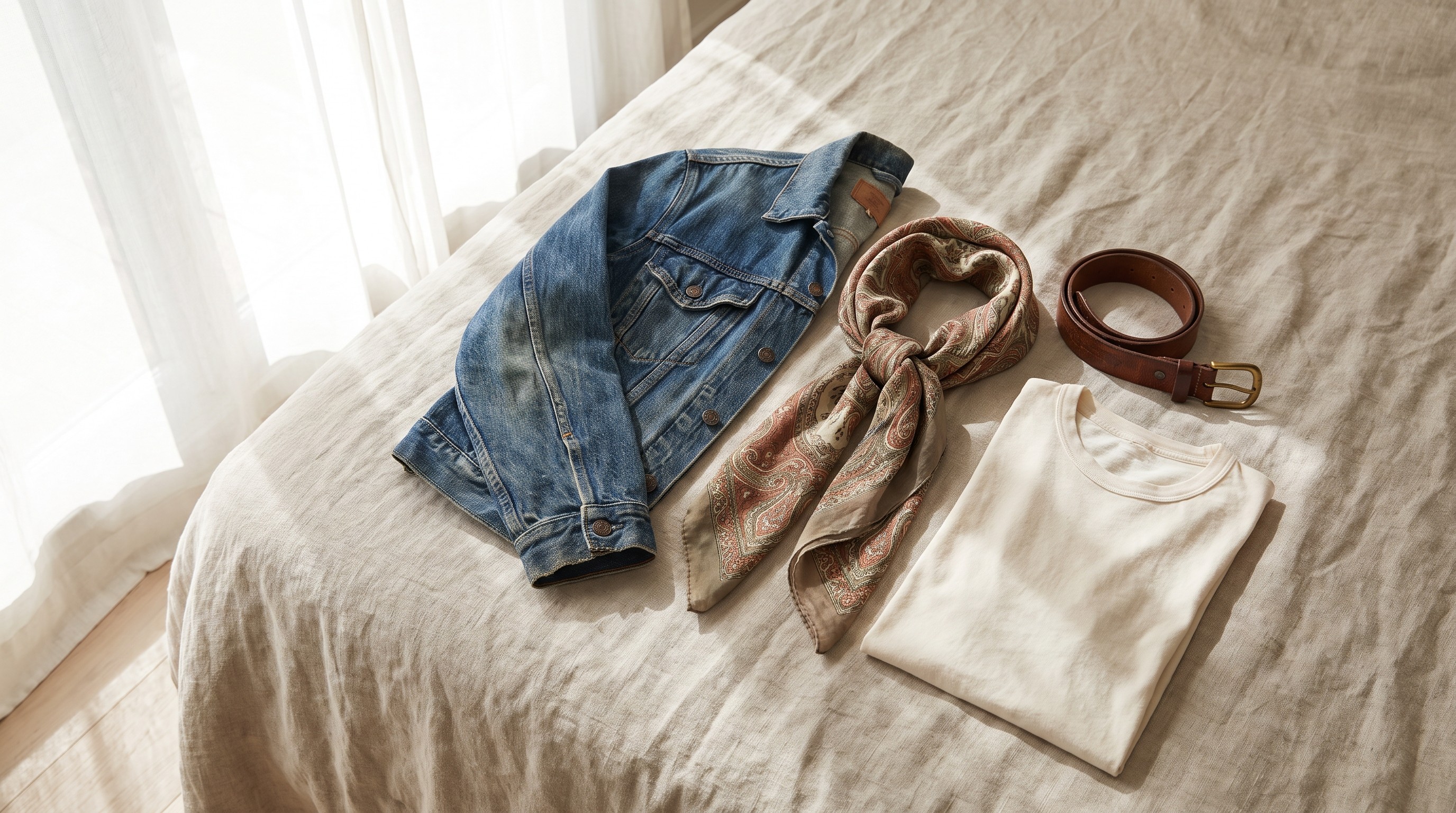
Vintage clothing flipping attracts beginners because racks look full of “unique” pieces. Profit comes from demand, condition, and sizes that actually sell—not from every cool label.
Define vintage for your market
Buyers care about era cues, fabric quality, and silhouette more than a vague “old” tag. Focus on categories you can identify quickly: denim, workwear, outdoor, band tees, or classic wool coats.
Condition is the product
Stains, stretched collars, moth holes, and strong odor kill conversion. Price the piece you hold, not the best listing photo online. Clean and steam before you shoot.
Size liquidity first
Common adult sizes usually move faster. Extreme sizes can work in niches, but verify recent sold comps for that exact size before you stack inventory.
Comps beat storytelling
Write honest titles with brand, material, and measurements. Then price from sold listings, adjusting for flaws and how crowded active listings are.
When you’re unsure in the aisle, a quick ThreadFlip scan helps you compare marketplace comps so vintage buys stay fee-aware—not emotional.
