Flipping Tips
Thrift Store Flipping for Beginners: A Simple Profit System
Share to
Thrift store flipping looks simple from the outside: buy low, sell higher. The hard part is knowing which items are actually worth your time before you leave the store.
Start with a narrow niche
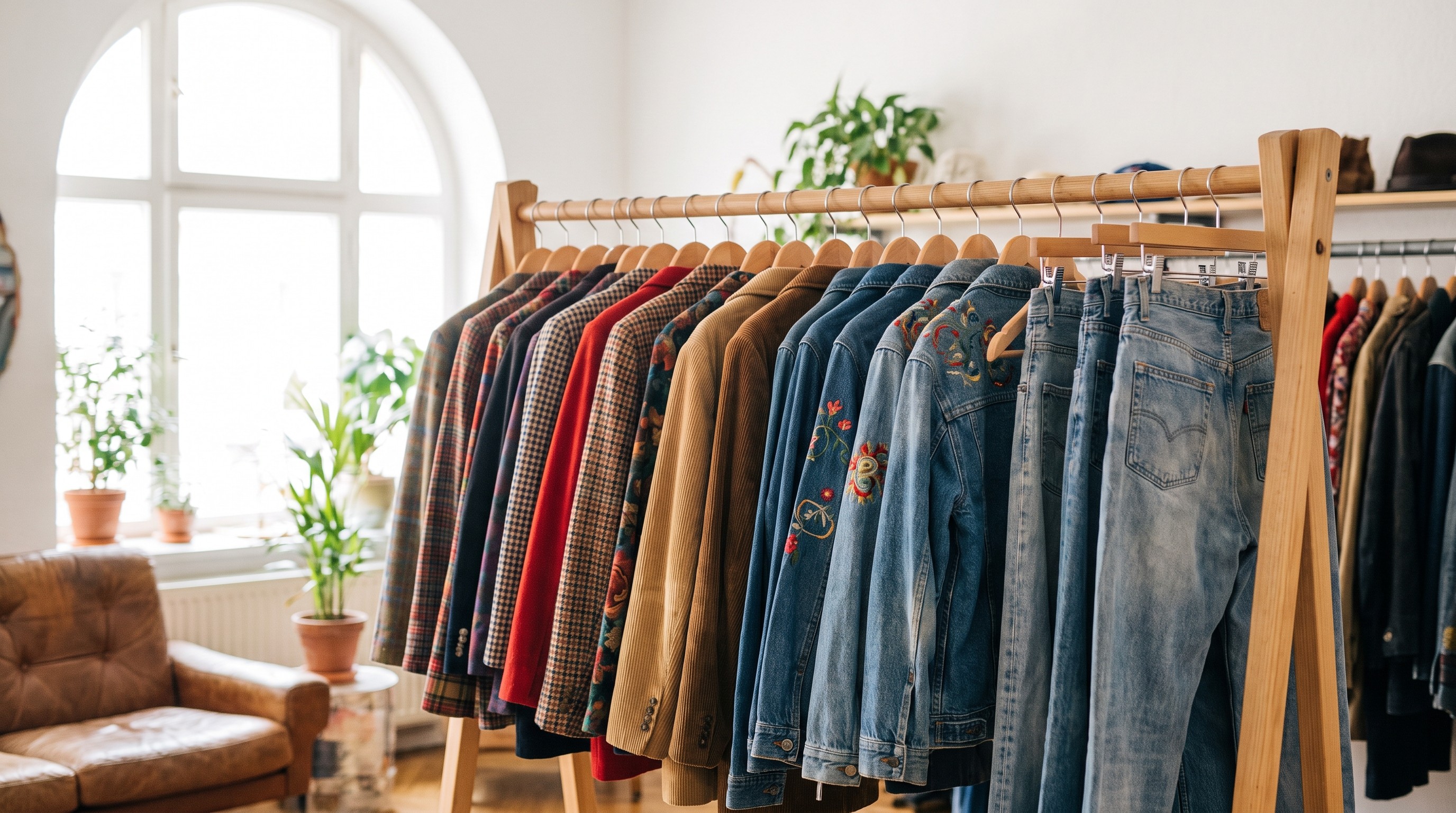
Beginners often buy anything that “looks valuable.” Pros pick a lane. Good starter niches include vintage denim, athletic shoes in clean condition, kitchen appliances under five years old, and name-brand outdoor gear. A narrow focus makes comps easier to compare and inventory easier to photograph.
Use a buy formula, not vibes
A simple rule: only buy if the expected sold price is at least 3x your all-in cost after fees and shipping. If a jacket costs $8 and recent sold listings land around $45–$60, you have margin. If comps are thin or wildly inconsistent, walk away.
Check sold comps in the aisle
Before you buy, compare recent sold listings—not asking prices. Asking prices show hope. Sold prices show reality. Scan the item, note brand and model details, then confirm demand with marketplace comps from eBay, Amazon, or Google Shopping.
List fast, learn faster
Your first 20 listings teach more than any guide. Photograph clearly, write honest condition notes, and track what actually sells. Tools like ThreadFlip help you scan an item, pull live comps, and log the flip so you can see which categories pay you back.
Keep the system boring on purpose: scan, confirm margin, buy, list within 48 hours, track results. Consistency beats lucky one-off finds.
